Türkçe
 English


Some thinkers leave behind not only their own era but also a way of thinking for future generations. Erich Fromm was one of them. When you read his books in chronological order, you realize you are reading different chapters of one great question: how can a human being preserve their own essence?
August 3, 2026, 15:19 Updated: August 3, 2026, 15:50


In Escape from Freedom, published in 1941, Erich Fromm questioned why modern man fears freedom. According to him, although people seem to desire freedom, when the responsibility it brings becomes too heavy, they often prefer to take refuge in authorities, ideologies or crowds.
With The Sane Society, written in 1955, he moved beyond the individual and questioned society itself. Could a society that was economically growing and technologically advancing really be considered healthy? Or was it not the individual who was sick, but society itself?
In The Art of Loving, published a year later, Fromm interpreted love not as an emotion but as a skill requiring effort, discipline, responsibility and maturity.
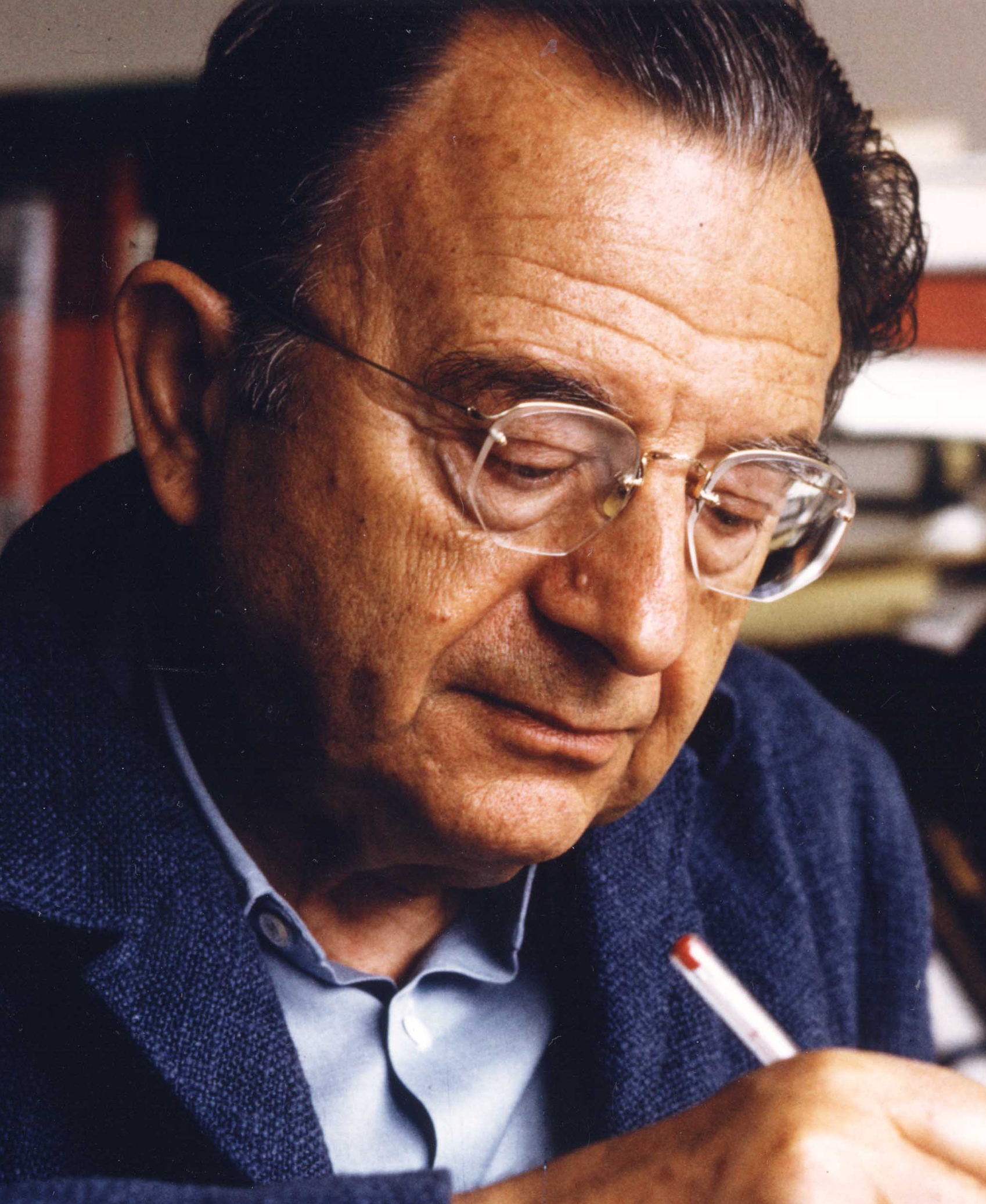
Erich Fromm
To Have or to Be, published in 1976, became one of the strongest critiques ever directed at modern civilization. Fromm argued that people were increasingly giving up “being” and building their entire lives around “having.” More money, bigger houses, higher status… None of these bring a person closer to themselves; on the contrary, he explained, they drive them further from their own essence.
On Being Human, published in the last period of his life, was in a sense the final stop of all these ideas. In fact, it asked a single question: are we truly able to live as human beings?
Half a century has passed since then, and the world has changed a great deal. Both the economy and our forms of communication have changed. Now we are in the age of artificial intelligence.
So if we carried Fromm’s intellectual legacy into today, or if he were alive today and wrote a book, what subject would he take up? I think he would no longer focus on the matter of “being human,” but on the question of being able to remain human.
In Fromm’s time, people mostly consumed goods. Today, we consume not just products but almost life itself. We consume information but don’t set aside time to reflect on it. We consume content but find it increasingly hard to create, because we take the easy way out of everything. We consume relationships and struggle to form deep bonds. We consume experiences but cannot internalize them. We buy books but cannot finish them. We save articles to read later but never read them. We reach information within seconds and, sadly, fail to turn it into wisdom.
We are no longer just shopping. We are consuming our attention and our time. And as a result, we are consuming our mental energy. What’s more, we often do this without even noticing.
The consumer society Fromm criticized has not disappeared. On the contrary, it has become more invisible and more powerful. Companies used to sell us products; now they buy our attention.
Because today’s most valuable resource is no longer just oil. It is human attention. Digital platforms measure not what we buy, but what we look at, how long we look at it, and which content keeps us longer. Across every sector and brand, competition is no longer just for our wallets, but for our minds.
Artificial intelligence sits right at the center of this transformation. In a few seconds it writes reports, prepares presentations, develops code, does research, translates, produces summaries, and offers opinions on any subject. In terms of productivity, we are in fact witnessing one of the greatest technological leaps in human history. But amid all these advances, we fail to notice that AI is thinking for us, and that over time it is also transforming our own habits of thought.
Throughout history, humanity has handed over muscle power to machines. The steam engine eased our bodies, and cranes carried our loads. Computers sped up our calculations. Now, for the first time, we are handing over part of our processes of writing, researching, summarizing and even generating ideas to artificial intelligence.
This is a great opportunity, and at the same time a great responsibility. Because as the price of our increasingly easy lives, our thinking muscles are weakening.
Societies that stop writing may, over time, stop thinking as well. Societies that stop questioning can consume information but cannot produce wisdom. Do the contemporary philosophers we could name from recent years influence societies the way they once did? People who never give up questioning will be the future’s most valuable capital.
Perhaps if Fromm were alive today, he would add a third concept to his To Have or to Be distinction: To Be Seen. Because today, alongside having, people want to be visible, to be followed, to be liked, to be shared. They want to be noticed by algorithms. Yet being visible and being valuable are not the same thing. We must remember that while our visibility in the digital world is increasing, the depth of our inner world is not growing at the same pace.
Healthcare, too, sits right at the center of this transformation. Artificial intelligence is speeding up clinical decision-making and increasing operational efficiency. All of this represents extremely valuable progress for healthcare. But no algorithm can look into a patient’s eyes and feel their fear. No model can (at least for now) build a relationship of trust, and technology cannot offer compassion. The future of health will be shaped not only by developing smarter systems, but by building systems that put the human being at the center.
In my view, if Erich Fromm were to write a new book today, right at the heart of all these developments, he would write a book about Remaining Human. Yes, the most important question of the AI age is not how intelligent machines will become, but how much we can remain human amid all this technological progress.
Perhaps this is precisely the greatest legacy Fromm left us. We are living through history’s most successful era in developing technology. Can we now show the same success in developing the human being? Because the real competition of the future will not be between technology and humanity, but between those who can preserve their humanity while producing technology, and those who lose it without noticing while using it.
And perhaps future generations will remember us not for the artificial intelligence we developed, but for whether or not we managed to remain human within it.